Downloads
DOI:
https://doi.org/10.58981/bluepapers.2026.2.14Published
Issue
Section
License
Copyright (c) 2025 Anita Ravlic

This work is licensed under a Creative Commons Attribution 4.0 International License.
How to Cite
Keywords:
modernity, heritage, sanitation, environment, adaptationAbstract
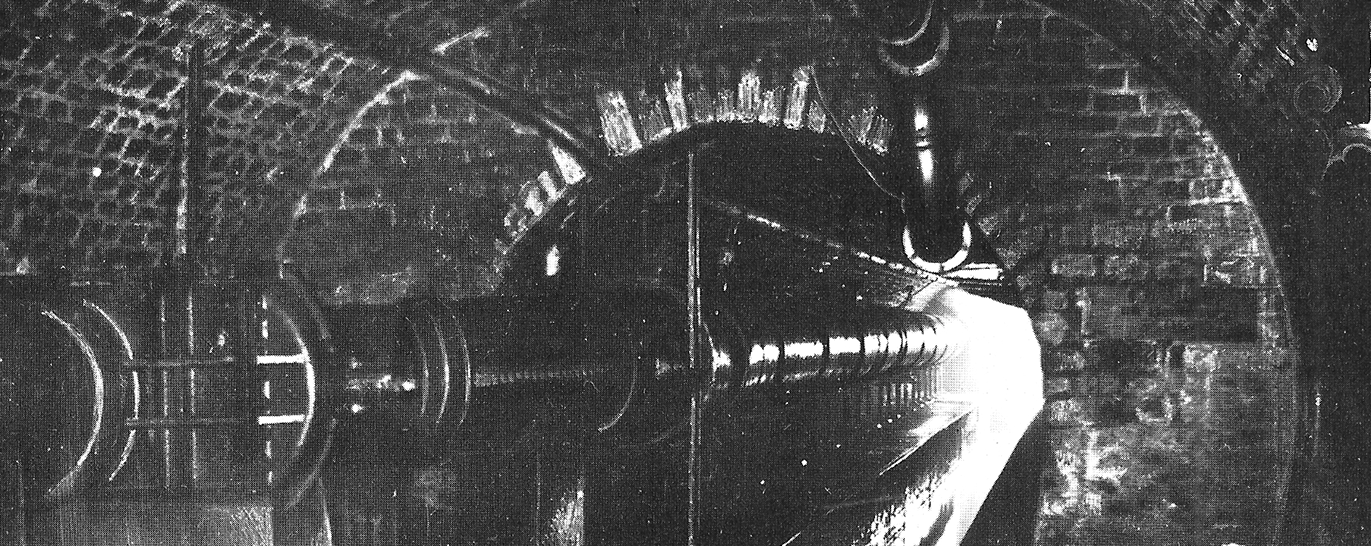
The Parisian sewer system was designed and built primarily in the nineteenth and early-twentieth century. Today, the responsibility of the City of Paris is to maintain these 150-year-old structures, which are still in operation, and at the same time adapt this system to today’s environmental challenges. When the sewer system was first established, the improvements it made to Parisians’ comfort, health and quality of life were readily apparent: The sewers were part of the Hausmann plan, which modernized and beautified Paris, both above and below ground, bringing drinking water to homes and removing wastewater from the streets. At the time, Parisians were very aware of this new public service because it changed their lives, and they had the chance to visit the sewer as early as 1867. Today the situation is quite different: It is now a hidden, little-known part of the city, transformed to meet the challenges of preserving rivers and turning wastewater into a resource. However, the goal of making it possible to swim in the Seine has shed new light on the Paris sewer system and its catchment area.
References
Belgrand, Eugène. 1869. La Seine. I. Le bassin parisien aux âges antéhistoriques [The Seine. I. The Paris Basin in prehistoric ages]. Paris: Imprimerie impériale.
Guillerme, André. 1993. Les temps de l’eau: La cité, l’eau et les techniques: Nord de la France, fin IIIe-début XIXe siècle [The times of water: The city, water, and technologies: Northern France, late third to early nineteenth century]. Seyssel: Éditions Champ Vallon.
Hugo, Victor. 1969. Œuvres complètes. Edited by Jean Massin. Paris: Le Club français du livre.
PAQES. Plan pour l’amélioration de la qualité de l’eau de la Seine et de la Marne. Signé en 2018 et engageant 27 partenaires d’Île-de-France, établit 50 actions pour atteindre l’objectif de baignabilité pour tous des deux fleuves franciliens.
Reid, Donald. 1991. Paris Sewers and Sewermen: Realities and Representations. Cambridge, MA: Harvard University Press.


